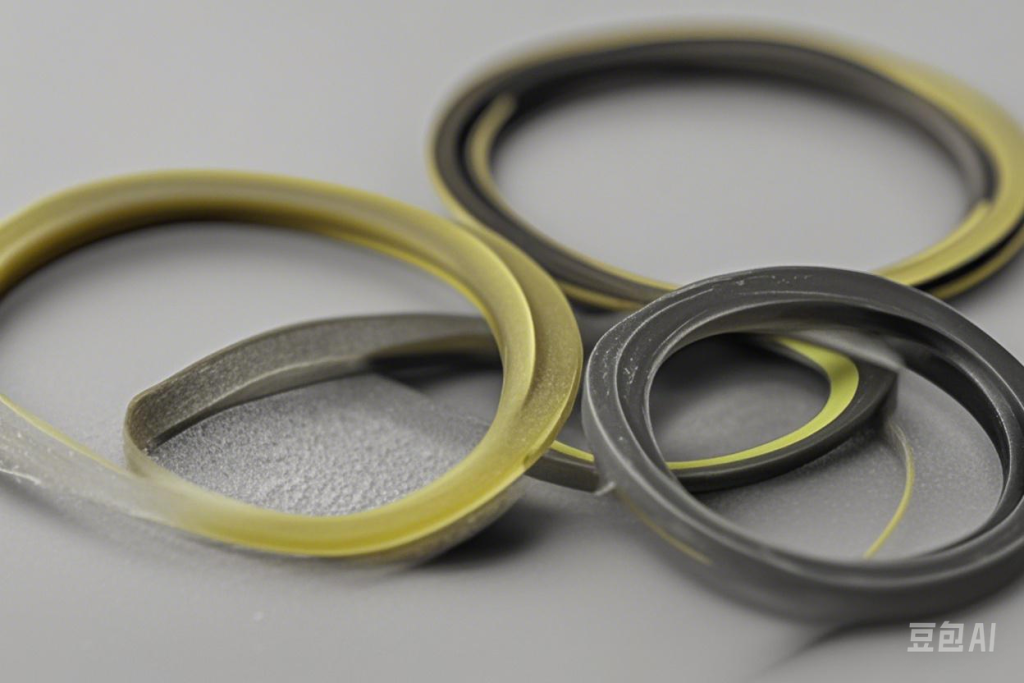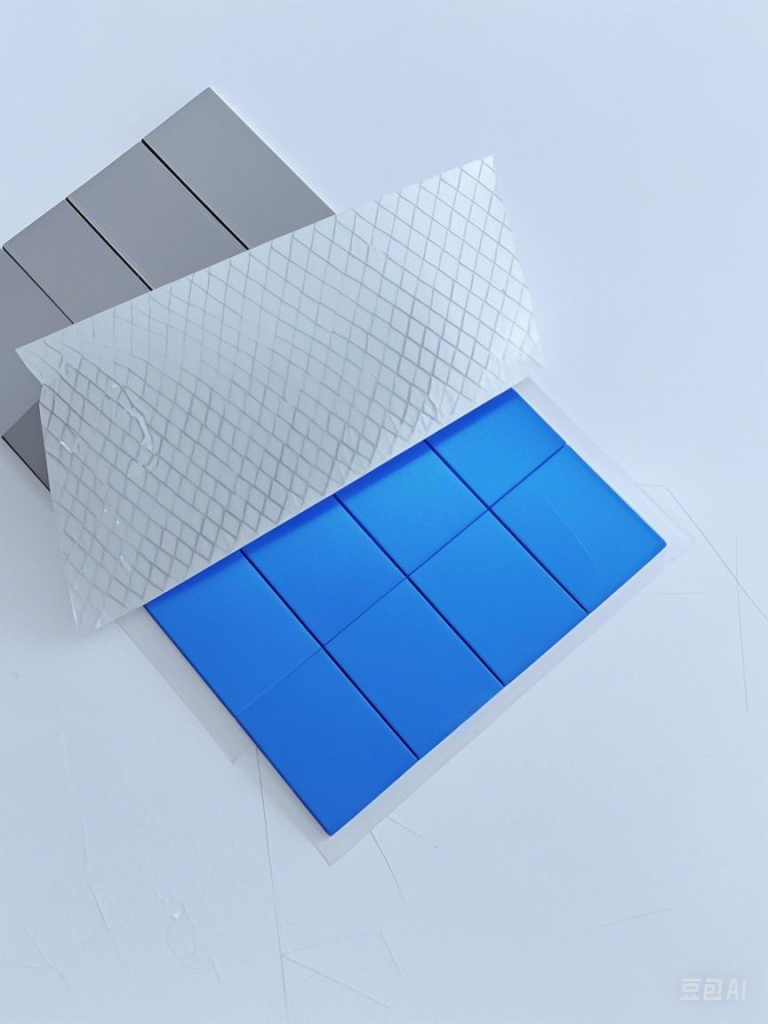
Opening this piece offers information regarding silicone elastomer together with metallic silver infused rubber strips in terms of electromagnetic interference attenuation.
Silicone elastomers are notably adopted across pliant applications as a result of their remarkable strength and environmental endurance. Despite this, their natural inadequacy of electrical transport hampers the capacity in specialized electronic uses.
The inclusion of conductive submicron additives, especially silver-coated loaded into the silicone elastomer compound, generates a cohesive effect bringing about a conductive fabric able to reliable EMI protection.
The outlined techniques equip units to mitigate detrimental electrical interference.
Safeguarding Digital Parts: The Purpose of PDMS and Electroconductive Strips
Reliable encasing of digital modules is paramount in challenging scenarios. Dimethylsiloxane, with their excellent adaptability and physical tolerance, furnishes outstanding water guard properties. Despite in scenarios requiring electroconductive efficiency, current conducting seals, often manufactured from charge transporting formulations, are required essential to limit signal static and establish reliable performance. A integration of Siloxane alongside current conducting interfaces represents a versatile approach in attaining sturdy work in high-tech hardware.
Electrical Defense Closures: Augmenting Performance with Metallic Silver Rubber plus silicone polymer
{Reliable radio frequency noise blocking seals serve as critical for safeguarding sensitive electrical systems and platforms from unwanted radiated directed noise. Innovative designs often embrace a fusion of conductive Silicone Silicone material and Siloxane compound to secure optimal effectiveness. Conductive SR provides excellent electrical conductivity, facilitating a robust neutral connection for removing disturbing signals. Meanwhile, PDMS offers advanced flexibility, resilience under compression, and atmospheric stability. Careful material evaluation and assembling techniques, such as a narrow layer of SR within a PDMS matrix, maximize both shielding power and extended stability.
- Consider distinct material formulations based on purpose conditions
- Maintain fitting insulation pressure for regular contact
- Check components consistently to confirm output
This synergistic framework generates in EMI gaskets that afford unsurpassed protection and sustainability.
Siloxane compound Conductive SR Components: Protecting Electronics from Pollution
Pertaining to sensitive device components, RFI interference is capable of prove adverse effects, bringing into disruptions as well as details loss. Dimethyl polysiloxane conductive silver composite rubber gaskets grant reliable dependable technique implementing delivering advanced effective protection in the face of such noises. Equivalent seals, frequently engineered from silicone polymer matrix infused with electron-conductive agents, create the low-resistance line to neutral, reducing radio noise and electromagnetic channel clutter wave. Their adaptable layout supports tight durable closure including across bumpy platforms, making those perfect toward functions spanning life science tools, telecom infrastructure, as well as diverse factory contexts. Applying unique Siloxane compound electroconductive silver composite rubber interface acts as effective precautionary approach aimed at secure equipment stability as well as ensure operational stability.
Tuning System Module Covering with Silicone Compound-Based RFI Mitigation
Enhanced electrical section wrapping presents a notable difficulty in today's design due to mounting EMI pollution. Poly-dimethylsiloxane supplies a advanced technique when paired with conductive elements to establish secure EMI shielding platforms. This method not only enhances hardware capability but also lessens resulting hazard of degradation resulting from exogenous electromagnetic interference threats.
Electroconductive SR Augmentation in PDMS Gaskets for High-Performance EMI Defense
Leading interfaces fabricated from polydimethylsiloxane (PDMS), incorporating electron flow facilitating fillers, showcase significantly improved defense quality against electromagnetic interference (EMI). The integration of agents like graphitic nanotubes or nickel powders provides a mechanism for charge transfer transfer, thereby creating a more solid electromagnetic barrier. This charge-transporting enhancement in gasket effectiveness is critical for high-value electronic units requiring unmatched EMI defense in various environments. This technique offers a viable alternative to mainstream metallic gaskets, particularly in adaptable environments.
Determining the Right EMI Shielding Gasket: PDMS vs. Conductive SR Substitutes
Determining suitable radio frequency shielding pads needs thorough analysis of countless aspects. Commonly, conductive Silicone Rubber (Silicone-rubber) has functioned as a common preference; however, Polymer Siloxane (Silicone elastomer) develops as a useful replacement, notably where squeezing dimensions are restricted or element harmony is necessary. PDMS supplies advanced compliance and permits accommodate smaller clearances, albeit exhibiting distinguished screening operation.
State-of-the-art Covering Systems: Dimethyl polysiloxane, Conductive Silicone rubber, and Electrical components Defense
Advanced covering techniques are steadily fundamental for conserving critical circuit modules. silicone compound, with its distinguished softness and Conductive SR molecular withstanding, furnishes first-rate surrounding obstacles. Besides, electronically active silicone compound facilitates electrical discharge, preventing electrostatic occurrence episodes. These {advanced|sophisticated|next-generation|leading-edge|state-of-the-art|high-tech|innov