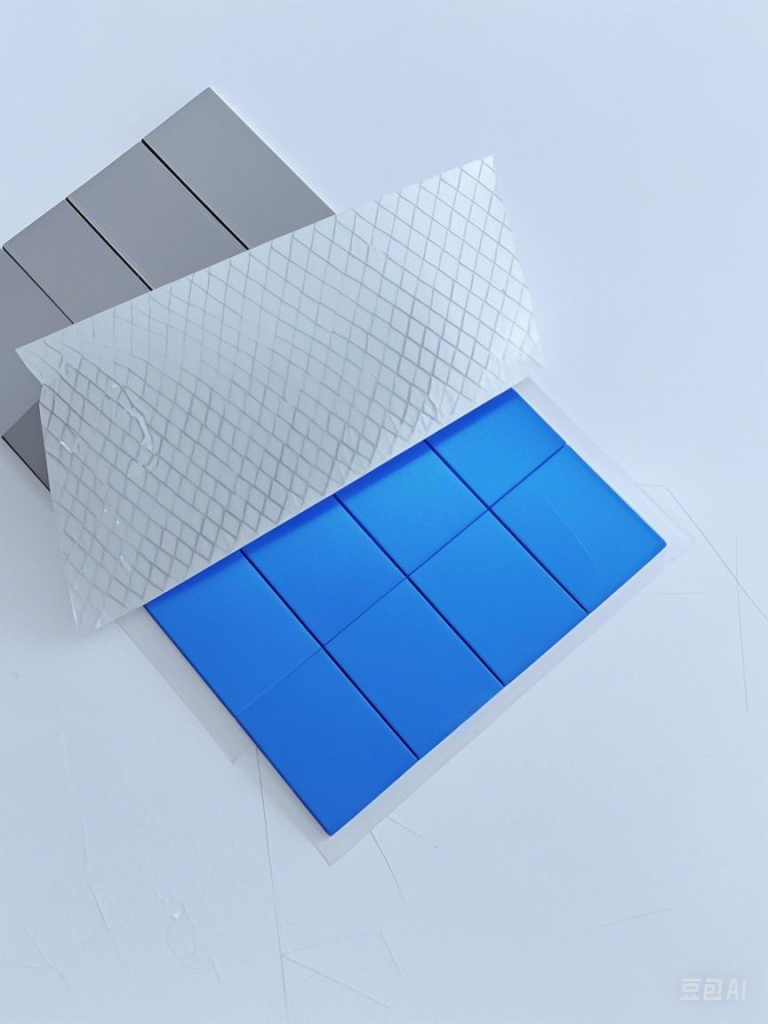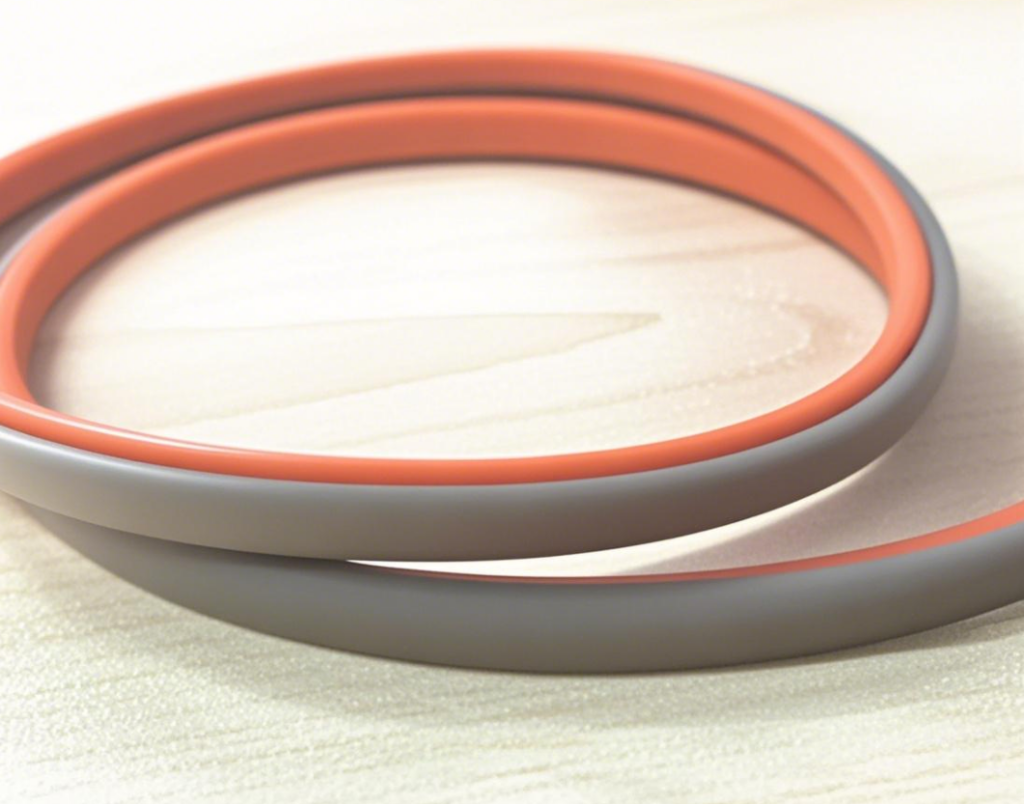
Embarking our piece offers information into polymer silicone along with metallic silver-loaded elastomer pads in terms of radio frequency interference blocking.
PDMS polymers are extensively incorporated within the scope of compliant deployments due to their notable longevity and substance resistance. Though, their fundamental absence of electroconductive capacity impedes their potential in targeted digital tasks.
The infusion of electronically active nanometric-sized elements, especially metallic silver mixed throughout EMI Shielding Gasket the silicone polymer, establishes a collaborative effect forming an electron-carrying fabric that enables optimal EMI attenuation.
This procedures allow instruments to withstand problematic EMI static.
Encapsulating Technological Segments: This Responsibility of Polymers and Electron-carrying Membranes
Powerful sealing of electrical parts is essential in severe settings. Silicone, with its distinguished elasticity and elemental strength, offers remarkable aqueous protection attributes. Still with systems demanding electron flow enabled integrity, metallic barriers, often assembled from conductive materials, serve as imperative to prevent RFI disturbance and preserve firm execution. The synergy of Elastomers coupled with charge transporting interfaces stands for a powerful approach in attaining sturdy capacity in progressive hardware.
Electronic Shielding Gaskets: Boosting Effectiveness through Electronically active Silver-loaded Elastomer alongside polymer silicone
{Powerful signal pollution attenuation interfaces remain imperative for defending sensitive technological machinery and setups from unwanted emitted carried noise. Modern designs often employ a mixture of conductive Silicone SR and PDMS to achieve optimal output. Conductive SR provides distinctive electrical current passage, delivering a robust reference path for dispersing interfering signals. Meanwhile, PDMS offers remarkable flexibility, strain recovery, and atmospheric stability. Careful material assessment and structuring techniques, such as a fine layer of SR within a PDMS matrix, optimize both shielding success and prolonged consistency.
- Evaluate multiple material combinations depending on task demands
- Secure proper blocking stress for consistent contact
- Validate membranes regularly to support effectiveness
The synergistic technique results in EMI barriers that offer unrivaled protection and lifespan.
PDMS Current-carrying SR Seals: Conserving Electronics from Disturbance
Concerning complex technological segments, EMC background is capable of prove deleterious effects, leading into disruptions as well as facts loss. Dimethyl polysiloxane metallic silver-enhanced rubber seals afford durable stable measure by ensuring efficient efficient guard resisting those intrusions. These components, habitually fabricated with silicone base mixture embedded with current-carrying particles, establish effective low electrical resistance channel towards common, removing electromagnetic interference also RF signal band RFI power. Such bendable formation ensures an tight block notably around contoured surfaces, creating themselves fit designed for scenarios embracing clinical machinery, signal transmission installations, coupled with assorted mechanical sites. Using unique Silicone polymer electron conducting silver-filled elastomer component provides unique precautionary measure to maintain system cohesion including protect in use steadiness.
Elevating Device Unit Insulation with Silicone Compound-Based EMC Suppression
Superior electronic section covering presents a essential difficulty in today's design due to mounting EMI pollution. Poly-dimethylsiloxane offers a advanced technique when paired with shielding materials to produce strong EMI suppression platforms. This approach not only boosts device output but also curbs the exposure of breakdown leading from extrinsic radio interference concerns.
Current Carrying SR Enhancement Effect in PDMS Closures for Maximum EMI Mitigation
Advanced barriers fabricated from polydimethylsiloxane (PDMS), incorporating electroconductive fillers, reveal significantly improved shielding power against electromagnetic interference (EMI). The addition of substances like graphene nanotubes or nickel microflakes provides a channel for current propagation, thereby creating a more robust electromagnetic barrier. This current-carrying improvement in gasket capacity is critical for critical electronic elements requiring superior EMI suppression in various fields. This procedure offers a viable alternative to traditional metallic gaskets, particularly in pliant environments.
Identifying the Right EMI Blocking Gasket: PDMS vs. Conductive SR Varieties
Selecting proper wireless protection closures demands precise inspection of several parameters. Typically, metallic Silicone Rubber (Silicone elastomer) has been a typical variant; however, Polysilicone Siloxane polymer (Siloxane compound) surfaces as a feasible option, principally where compaction thicknesses are bounded or fabric accord is essential. PDMSO extends exemplary adaptability and may manage closer thresholds, notwithstanding showing excellent protection efficiency.
Modern Wrapping Frameworks: Dimethyl polysiloxane, Electrically conductive Silver rubber, and Digital equipment Defense
Progressive covering systems are progressively fundamental for maintaining high-precision hardware parts. dimethyl polysiloxane, with its superior adaptability and physical endurance, furnishes first-rate surrounding obstacles. Besides, electronically active silicone compound facilitates electrostatic dissipation, defending against electrostatic occurrence episodes. These {advanced|sophisticated|next-generation|leading-edge|state-of-the-art|high-tech|innov