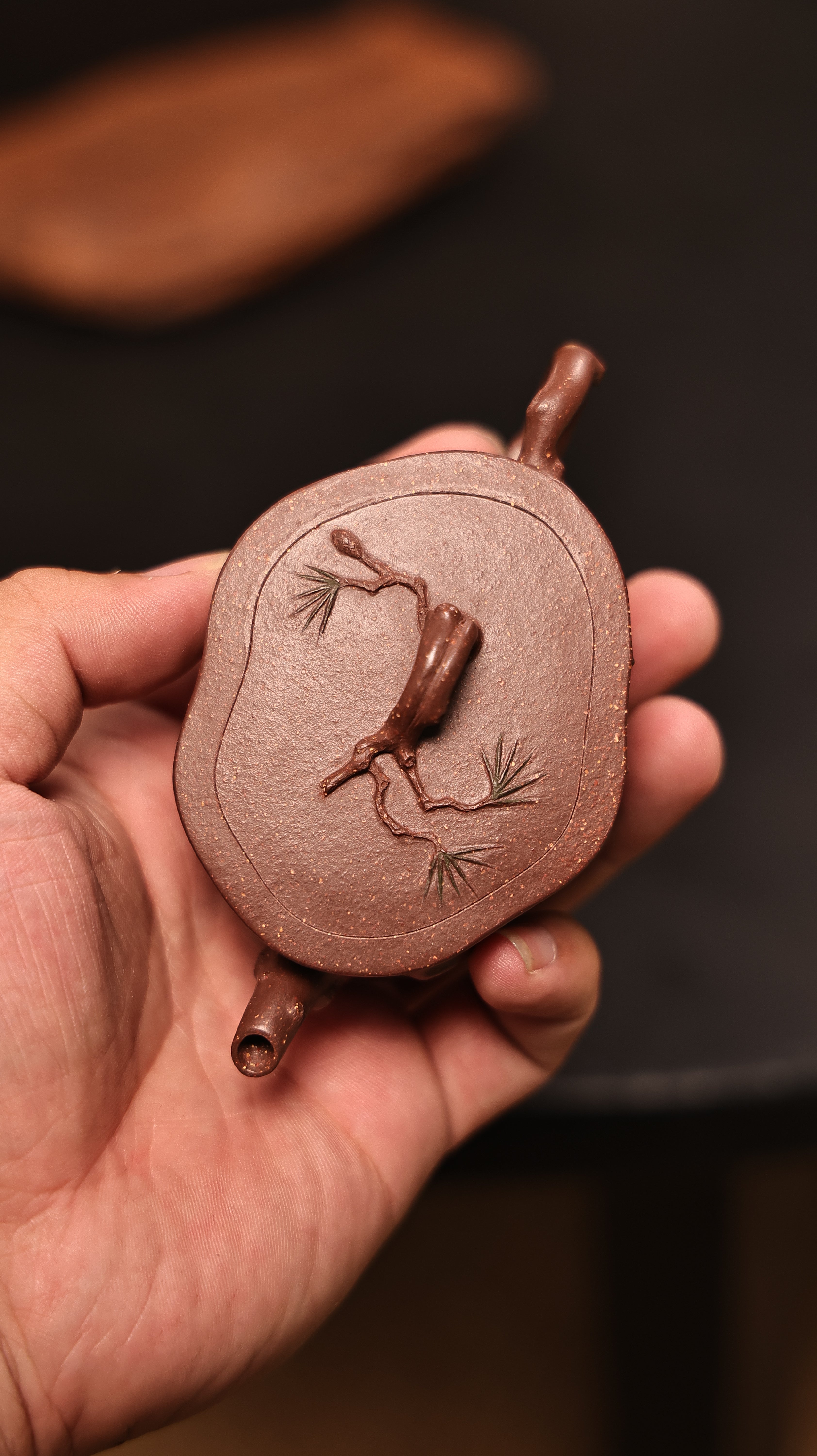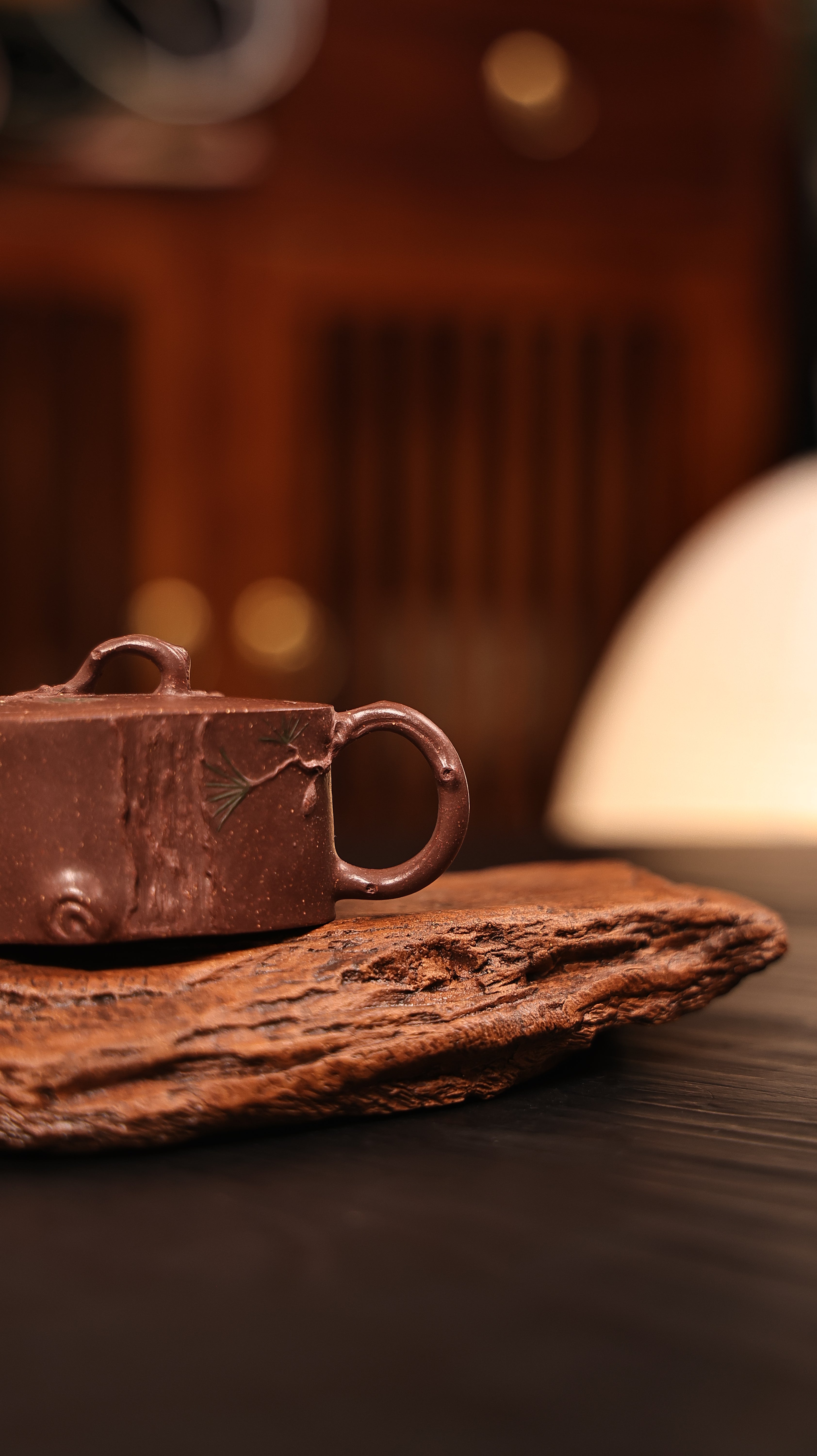
Throughout countless generational spans,
Amidst eras, gatherers have been mesmerized by the singular charm of Yixing Zisha containers. Originating from the district of Yixing in the region of Jiangsu, these pieces are renowned for their outstanding beauty, limited clay, and natural ability to augment the savor of the beverage. The substrate's distinctive mahogany hue, combined with the masterful fabrication of indigenous sculptors, creates products that are simultaneously functional designs and prized possessions. Collecting a Zisha teapot is more than just the purchase; it's experiencing a rich cultural heritage.
Understanding Yixing Teapots: Saga, Styles, and Price
The notable Yixing teapots stand as a profound legacy deeply intertwined with Chinese culture. Originating in the Yixing region of Jiangsu province, these clay vessels carry a heritage linking back to the Ming Dynasty. Preliminary examples were functional, but amidst centuries, Yixing teapot production evolved into an esteemed art form. The clay itself, known for its unique texture and ability to refine the flavor of the tea, persists a defining factor. Yixing teapots manifest in various designs, broadly categorized by shape: Classic such as Zhuni (purple clay) and Bisheng, as well as refined designs. The merit Yixing Zisha Teapot of a Yixing teapot relies on several factors, including the potter’s acclaim, the age of the piece, the rarity of the clay, and its aesthetic beauty.- Heritage: Centuries ago
- Medium: Different forms
- Valuation Parameters: Artisan fame
Zisha Claycraft: Approaches and Artists
Unique construction of a genuine Zisha teapot is a sophisticated process, requiring generations of mastery. Expert artisans meticulously choose the prime Zisha clay, a rare earth found only in specific regions of China. Traditional techniques, often conveyed through families, involve exacting shaping, fine carving, and slow firing in ancient calcining chambers. The completed teapot isn't merely a utensil; it's a testament to imaginative vision and the substantial connection between the maker and their lineage. Each teapot showcases the specific touch of the potter, resulting in a truly singular work of pottery.
Classical Pottery: Delving into the Deep Cultures of Yixing
Famous Yixing, located in Jiangsu the territory, is broadly renowned for its exceptional vessels – a tangible representation of centuries of Chinese craftsmanship. These aren't merely vessels for brewing tea; they are intricate works of mastery, often reflecting ideological ideals. The unique purple clay, known as Zisha, possesses extraordinary qualities: the element dense, porous, and imparts a subtle note to the tea.
- Diverse families have honed the techniques of Yixing ceramic making, passing down time-honored methods through successions.
- Enthusiasts prize these pieces for their appearance and oddity.
- Particular pot tells a narrative, connecting the tea lover to a rich legacy.
Engaging in Yixing Zisha: Vital Indicators
When exploring buying Yixing Zisha ceramics, diverse points involve careful scrutiny. Initially, the soil's tint is key; authentic Zisha conventionally exhibits a pronounced brick undertone. Furthermore, inspect the technique; clear markings and a elegant texture imply experienced creation. Ultimately, determine the creator’s record; noted names bring increased values and often provide a more investment.
Brewing Excellence with Zisha Teapots
Crafting flavorful tea with a Zisha pot is more greater than a simple process; it's an technique. Zisha clay, acclaimed for its unique physical composition, imparts a gentle character to the prepared tea that’s often absent with other materials. The fitting water intensity is necessary; typically, softer than what's used for black tea, to maintain the tea's smell and nuance. Consider diligently the tea sort; delicate green teas or aged pu-erhs thrive from the Zisha’s ability to reduce their primitive edge. It’s vital to rinse the teapot earlier than brewing, and to exclude over-steeping. Mastering this skill leads to a genuinely exceptional tea phenomenon.
- Appreciating Zisha Clay
- Warming Level & Variety of Tea
- The Importance of Pre-warming
Sustaining Your Renowned Clay Pot
Intending to maintain the lifespan of your adored Yixing kettle, regular management is truly key. Abstain from using detergent; instead, tenderly clean it with pleasantly heated fluid. Avoid rapid heat; please don't place the earthenware directly onto a heated foundation. Periodically, condition the jar by steeping it with superior black concoction, as this assists to increase its character and shields the unique traits of the dirt.
About Dirt to Vessel: The Development of a Zisha Container
A creation of a Zisha teapot is a astonishing operation, a testament to both the world's bounty and the finesse of the craftsperson. It originates with the exact extraction of the special clay from the mauve Zisha mines not far from Yixing. This natural material, known for its remarkable essences, is then slowly filtered and arranged for the first forming. The jar’s figure is precisely made using a fusion of established hand-building techniques, often incorporating ornate figurings. Following seasoning, the pot undergoes a vital first firing, joined by a dressing stage, which might involve diverse layers of natural Zisha solutions. Finally, a second, and sometimes third, firing at elevated temperatures finishes the product, revealing its finished beauty and fantastic characteristics - a true masterpiece, available to enrich a tea event.
{Yixing Teapots: A Sign of the Legacy and Valuation
Famous Yixing teapots, originating from the renowned Yixing region of Jiangsu province, are far more than mere vessels for brewing the beverage; they represent a deep aspect of Chinese customs. Formed from distinctive purple clay – zisha – these remarkable teapots are highly treasured for their ability to complement the flavor of the tea and, crucially, for their artistic merit. The tradition of Yixing teapot making spans centuries, and the expertise involved is transmitted through generations, making each teapot a beautiful object that embodies classical techniques and a profound appreciation for the refined pleasures in life.