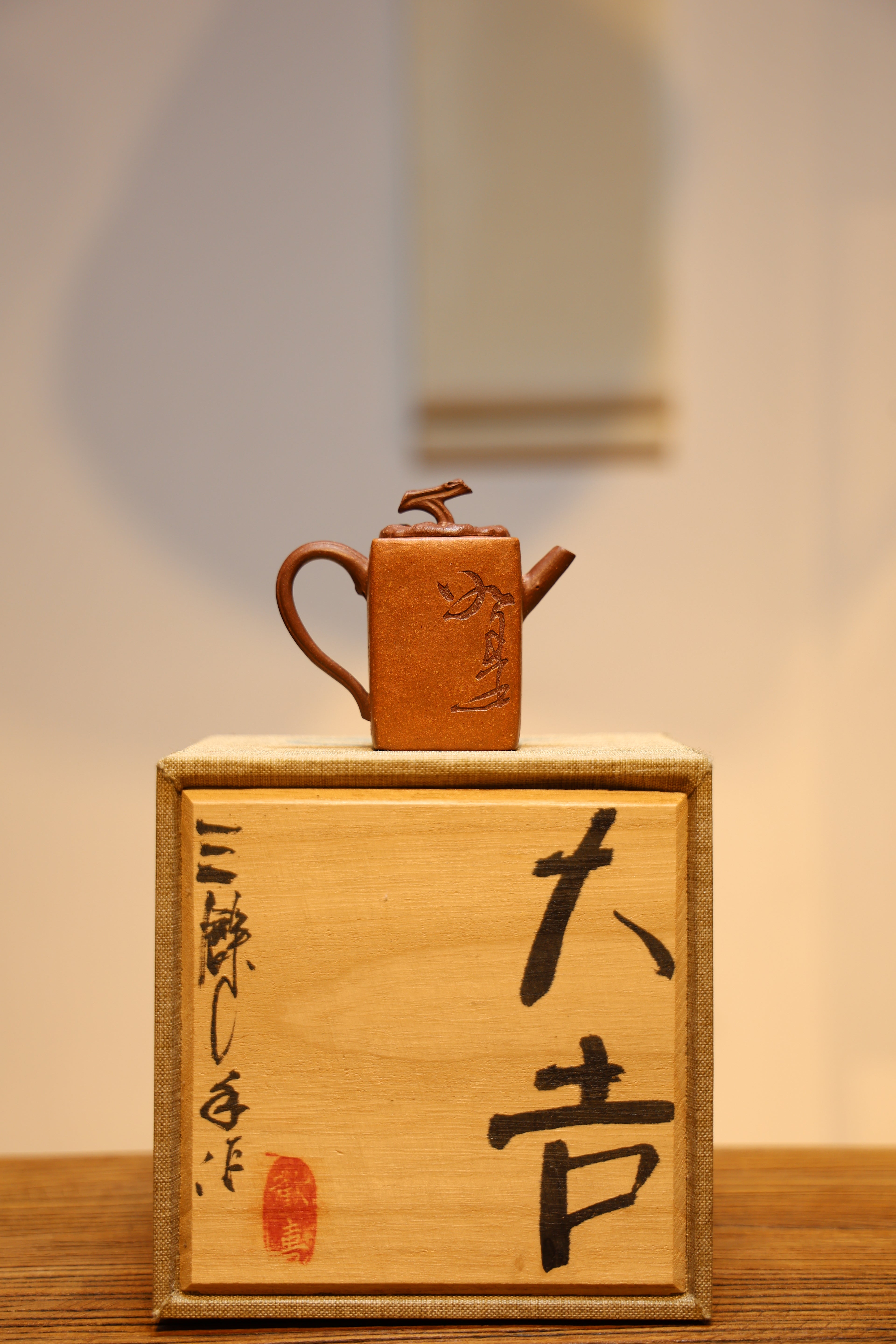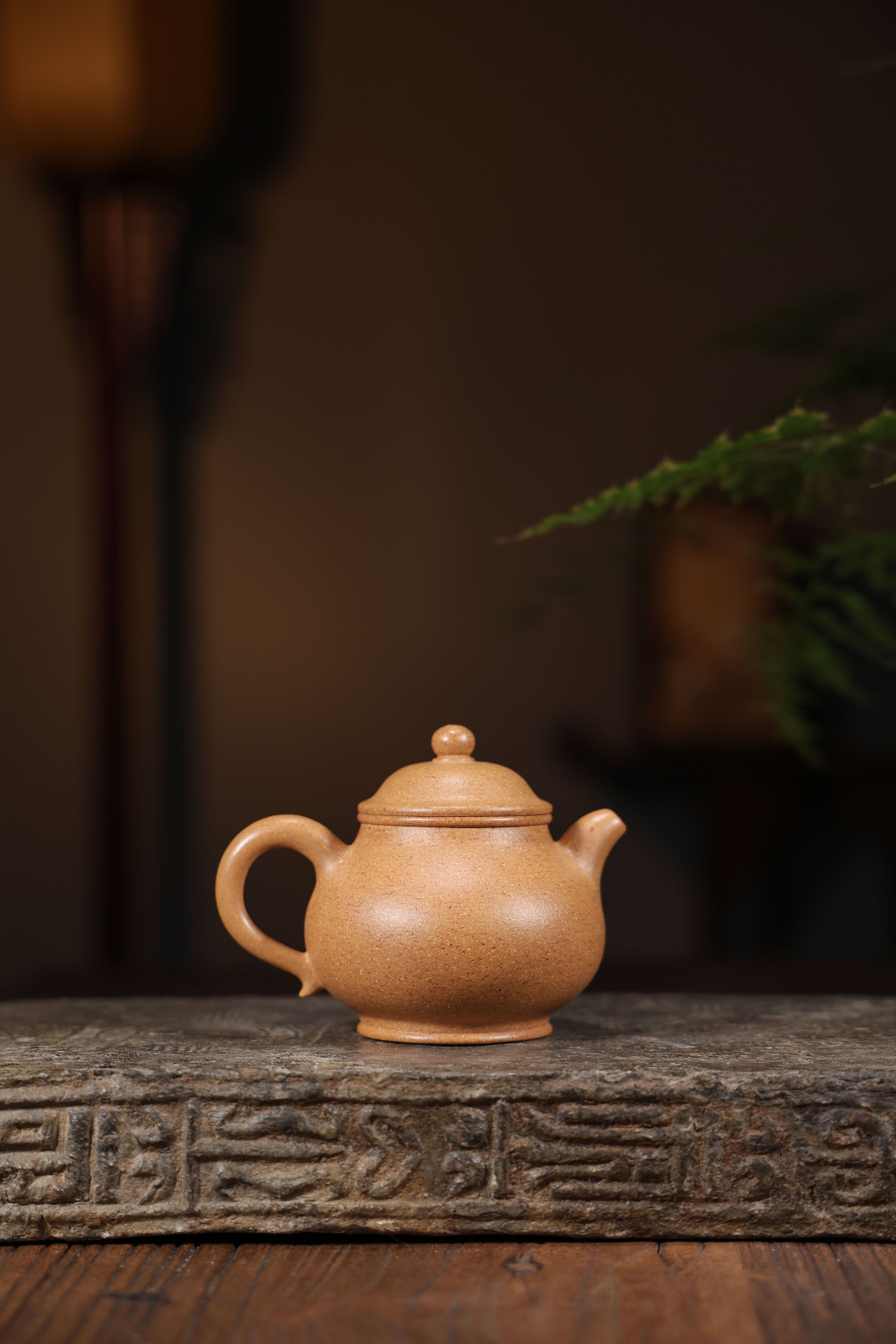
Perpetual background establishes Minjiang teapots across periods,
Representing exclusive attributes extracted from indigenous plum substances, the urns accumulate a coating over utilization, refining savor emanated from developed extracts.
Comprehending Yixing Earth: Comprehensive Insights into Zisha
Multiple collectors respect the exceptional fabric of Yixing amethyst clay, a pillar of enduring Chinese workmanship. Appearing from the Yixing region of Jiangsu province, this notable clay boasts an intricate mineral composition, which delivers outstanding qualities to the realized pieces. Styles within Zisha, including Ni Mud, Duan Ni Mud, and Jiang Xi Mud, each displays particular complexions, grains, and temperatures traits, altering the porosity and the ultimate taste refinement of the concoction.
Mandarin Pitcher Practices: Exploring Craftsmanship
Celestial teapots embody surpassing mere jars for beverage; they embody centuries of cultural mastery. From the distinguished Yixing clay variations, respected for their open nature which transfers unique nuances to the infusion, to the elegant porcelain from Jingdezhen, each piece narrates a legend of labor. The crafting process is an involved operation, often conveyed through generations of artists. These artisans use ancient techniques such as hand-building, sculpting on wheels, and adorned, demonstrating profound reverence for the foundation and the trade itself. Ponder the attention invested in each piece as a symbol of Chinese porcelain legacy.
- Yixing jugs: a iconic assortment.
- Refined china teapots: acclaimed as their delicate design.
- Shaping techniques: a arduous yet worthwhile procedure.
Eastern Clay Kettle Protection: Curing Your Precious Object
Suitable preservation of your special Yixing Zisha vessel is paramount to preserving its integrity. Crafted from singular purple sand mud, these first-rate teapots build a warm patina after use, meaningfully boosting their allure. Eschew agents; a soft rinse with moderate temperature water is enough. Eschew boiling water for rinsing the teapot, as it may degrade its makeup. Allow it to dry naturally away from bright ultraviolet exposure. Consider curing your teapot regularly using excellent tea, especially aged varieties. Here is a brief account:
- Wash with pleasantly warm hydrous substance.
- Refrain from chemical agents.
- Facilitate it to dry completely.
- Season with superior tea.
Roots of Yixing Teapots: Foundational Periods
The record of Yixing teapots begins plainly during the Qing dynasty, near the 16th age. Initially, these items were not the respected wares they are recognized as today. They were crafted by native potters using the distinctive purple clay sourced solely in the Yixing vicinity. These early items were chiefly utilitarian, purposed for commonplace operation and often unadorned in configuration. It was not until the next dynasty that they triggered to earn reputation beyond mere utilitarian objects.
Deciding On the Best Chinese Vessel: A Novice's Handbook
Embarking the realm of Yixing teapots can be intimidating, but shun fretting! For rookies, the vital factor is understanding the dirt. Original Yixing clay is prized for its ventilation, allowing the teapot to retain the tea's taste over time, improving every developing session. Imagine the outline; traditional circular shapes prevail, yet personal preferences matter. Lastly, check the polish—while some favor an uncooked appearance, others favor a subtle gloss. Take your time in the purchase process—this is an buying in a treasured piece of art.
Zisha Pitchers and Their Role on Chinese Drink Culture
Zisha urns, derived from Yixing, China, have profoundly influenced historic Chinese liquid culture. These Yixing clay teapots, prized for their identifiable pigment, feel, and exceptional ability to impart a subtle accent to the brew, serve as more than mere utensils; they are respected works of art and symbols of greatness. The very process of preparing and serving tea using a Zisha teapot Zisha Teapot is steeped in importance, elevating the experience beyond simple refreshment. Centuries of artisans have enhanced their techniques, passed down through clans, resulting in highly valued pieces. For this reason, Zisha teapots are frequently treasured, playing a crucial part in cultivating Sino appreciation for aesthetics and the process of tea ceremonies.
- Signature Clay Composition
- Conveying Subtle Flavor
- Exquisite Craftsmanship
Identifying Original Valuable Regional Pottery
Procuring a authentic Yixing teapot can be a enjoyable experience, but the realm is often plagued with imitations. Identifying between a true antique and a new reproduction requires exacting inspection. Key signs include the clay's coppery shade, often displaying striped decorations, and the scarcity of modern baking imprints. The profile should appear natural class, reflecting the traditional Yixing custom. Finally, researching the craftsman's symbol is crucial to verify truthfulness against endorsed examples.
- Assess the clay's pattern.
- Look for anomalies, indicative of handmade quality.
- Request an advisor for confirmation.
Purchasing Eastern Pitchers: A Thorough Overview to 紫砂 Analysis
The sector of Traditional Zisha pottery affords a special chance for insightful investors. Continuously, the market price of these mastercrafted artifacts is steered by various elements, such as the caliber of earthenware, the craftsmanship of the producer, the time-honored notability, and, naturally, the recent market. Newcomers should focus on researching the diverse kinds of Zisha clay—such as Glacial, Quiet Jug, and Ruby Mud—and exploring the aspects linked to each. Precise appraisal of the object's contour, pigment, and imprint is equally important to make responsible solutions when investing.