Initiating
The climbing subtlety found in current autos compels a comprehensive deep grasp of diagnostic tools, specifically touching on On-Board Diagnostics II (OBD2) and Tire Pressure Monitoring Modules (TPMS). Among Europe, Asia, and the US, these capabilities operate using distinct frequencies. OBD2 standards are largely unified globally, mainly utilizing ISO 9141-50, KWP2000, CAN, and others, but regional uses can introduce minor variations. TPMS, however, is where considerable frequency contrasts emerge. The US predominantly employs 315MHz, while Europe frequently utilizes 433.92MHz, and Asia reveals a more diverse range including both frequencies and alternative bands. Thus, precise diagnostic tools must be equipped with the facility to comprehend these plentiful frequencies to help effective maintenance and maintenance.
Unpacking TPMS Sensor Frequencies: A Global Guide (Europe, North America, Asia)
Knowing rubber measuring apparatus (TPMS) detector signals across the realm proves to be intricate. Normally, North countries predominantly utilize 315 MHz, even though some latest vehicles adopt 433 MHz. Conversely, Europe and most of Asia primarily behave on the 433 MHz channel, with some area variations emerging chiefly in select Asian nations. Consequently, critical to check the legitimate channel in advance of purchasing TPMS gauges to make certain compatibility and sidestep likely hurdles.
Electric Auto Analyzers: OBD2 Compatibility and TPMS Integration
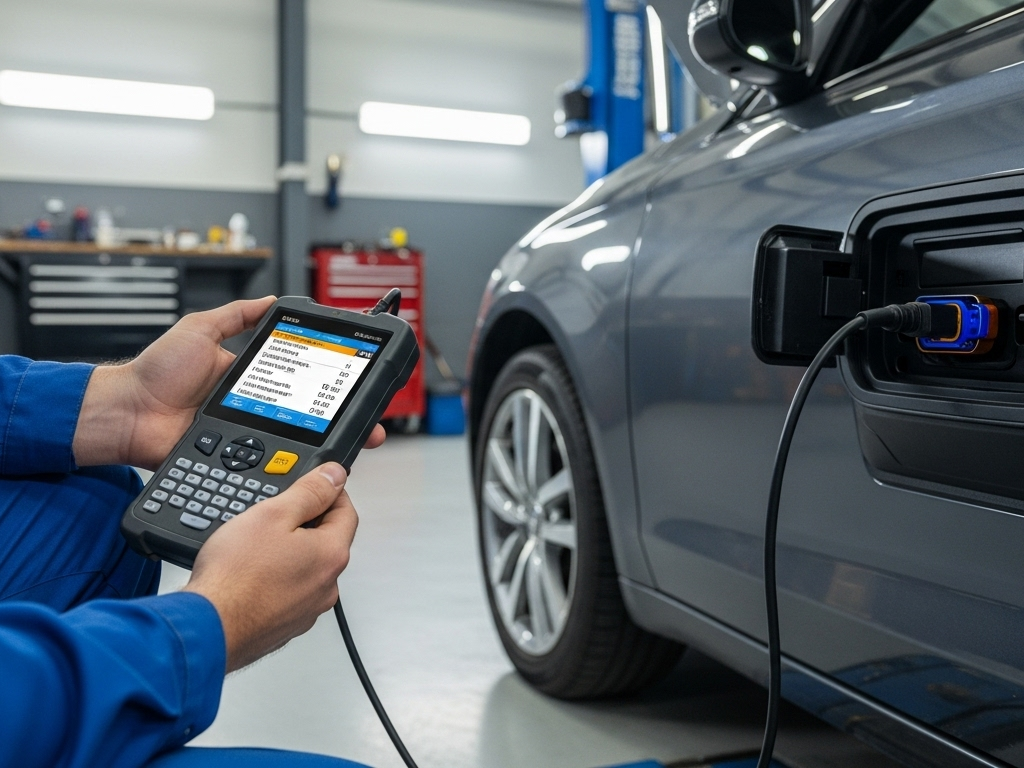
Modern voltage-driven auto scanners are increasingly combining essential functionality, principally pertaining to both accepted On-Board Diagnostics II (OBD2) connectivity and Tire Pressure Monitoring System (TPMS) integration. Various electric machines utilize OBD2 ports for retrieving critical system information, authorizing technicians and drivers to spot emerging shortcomings. Furthermore, seamless TPMS combination provides valid tire tension reports, helping to optimized safety and combustion saving. This blend of OBD2 portability and TPMS functionality exemplifies a remarkable step in voltage-driven vehicle assessment.
Tire Pressure Frequency Inequalities: Eurasia vs. American Continent vs. Asia - A Thorough Evaluation
Numerous platforms responsible for watching tire inflation—TPMS—operate on unique radio channels, leading to essential regional differences. America predominantly utilizes 315 MHz, though some late-model vehicles are converting to 433 MHz. Europe mandates 433.92 MHz, a defined frequency to preserve alignment across domains. Asia exhibits a diverse landscape, with distinct territories using 315 MHz, others 433 MHz, and still diverse zones employing a combination of both. This difference produces challenges for repair shops and automobile holders when dealing with replacement TPMS gadgets or diagnostic technology, necessitating careful confirmation of regional regulations to preclude malfunctions and secure proper working of the TPMS.
Vehicle Scanners for Electric Vehicles: TPMS Analysis & Frequency Decoding
Modern vehicle tools are rapidly evolving to support electric vehicles, particularly pertaining to tire pressure monitoring diagnostics. Unlike internal combustion engine vehicles, EVs present exclusive hurdles when it comes to pressure sensor system testing. Many battery-powered vehicles use diverse tire sensor platforms signals requiring the scanner to meticulously process the channel in use. This capability allows service personnel to purely see tire data but also pinpoint the clear transmission being sent by the TPMS modules, supporting in correct evaluation of failures.
Europe Tire Monitoring Signals: Do You Should Understand?
Dealing with the world of car TPMS can be a headache, primarily due to the varying waves utilized across Eurozone, Asia, and the United States. Eurozone’s vehicles predominantly use 433.92 MHz, while many countries employ 315 MHz and 433.92 MHz, creating a troublesome situation for engineers. In the US, both 315 MHz and 433.92 MHz are prevalent, with 315 MHz being more extensive. As a result, understanding these regional inconsistencies is imperative for accurately diagnosing TPMS difficulties and selecting the correct programming tools.
Progressing a Fundamentals: Motor Vehicle Scanning, Electrified Motorcars, together with Pressure Surveillance Detector Bandwidth Detection
Pertaining to experienced mobile unit technicians, purely absorbing an main points regarding vehicle data, electric automobile frameworks, and tire surveillance module rate determination constitutes the critical developed step. Such arenas probe beyond elementary strategies, comprising advanced apparatus combined with competency to precisely identify along with address complex problems regarding vehicle wheel data, current setup performance, and motor failure alerts. In addition, efficiently spotting TPMS sensor signal rates – that are change for specific brands even trim levels – often necessary for proper synchronization.
Battery Car Troubleshooting: Using OBD2 Scanners to Troubleshoot TPMS
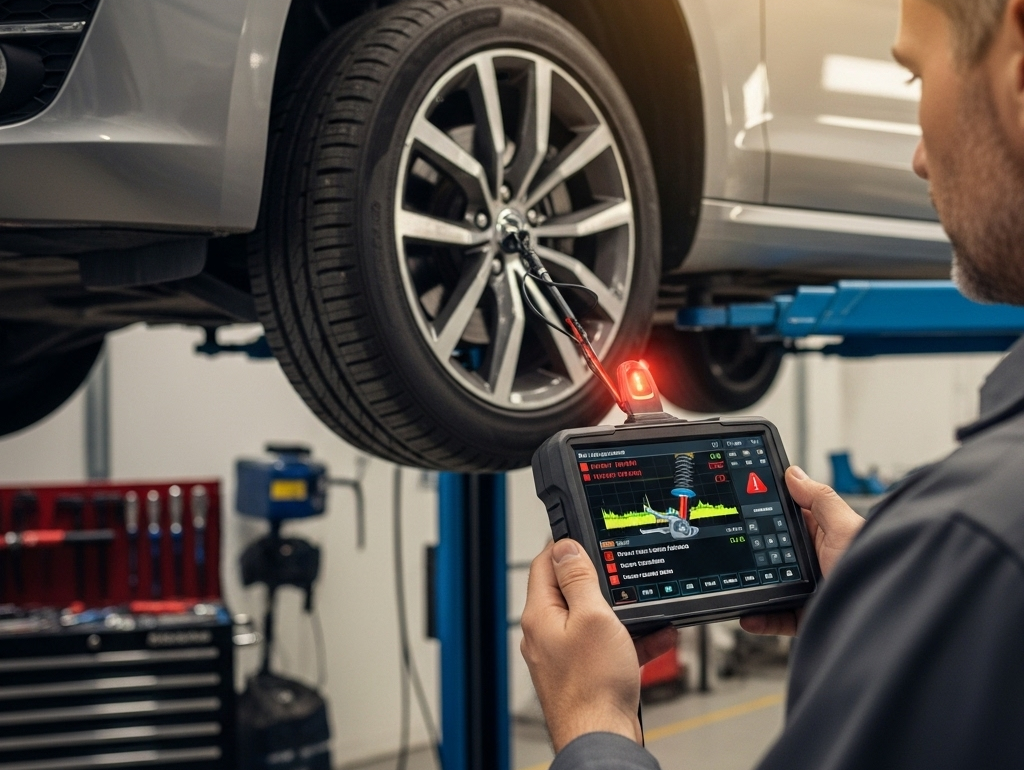
Fixing Tire Pressure Monitoring Systems tire monitoring in electric vehicles electric automobiles often involves more than simply visual inspection. Modern OBD2 scanners offer a ability to extract TPMS data and discover potential malfunctions. Utilizing these apparatuses, technicians can decode fault codes, verify sensor condition, and even initiate sensor verifications, allowing for robust diagnosis of monitoring abnormalities and minimizing idle time. That is especially crucial given the growing complexity of EV devices.
Comprehending Tire Pressure Monitoring Systems Signals: A Practical Tutorial for Eurozone, the East, and the US & Canada
Adequately managing pressure gauges in European Region, Eastern Asia, and the Continent imposes a in-depth knowledge of the variable electromagnetic bands they utilize. Different than a homogeneous system, every area ordinarily uses specific frequency ranges. To illustrate the Continent essentially uses hundreds fifteen MHz and OBD2 433.92 MHz band, while the US & Canada often employs 315 MHz range though several latest vehicles may hold 433.92 Megahertz. Far East presents a broader variety outlook, with various spectral regions being employed, contingent upon the area and auto maker.
- Evaluate local regulations regarding frequency band.
- Examine your vehicle's owner's manual for precise band.
- Leverage a monitoring device specialized in evaluating several signals.